
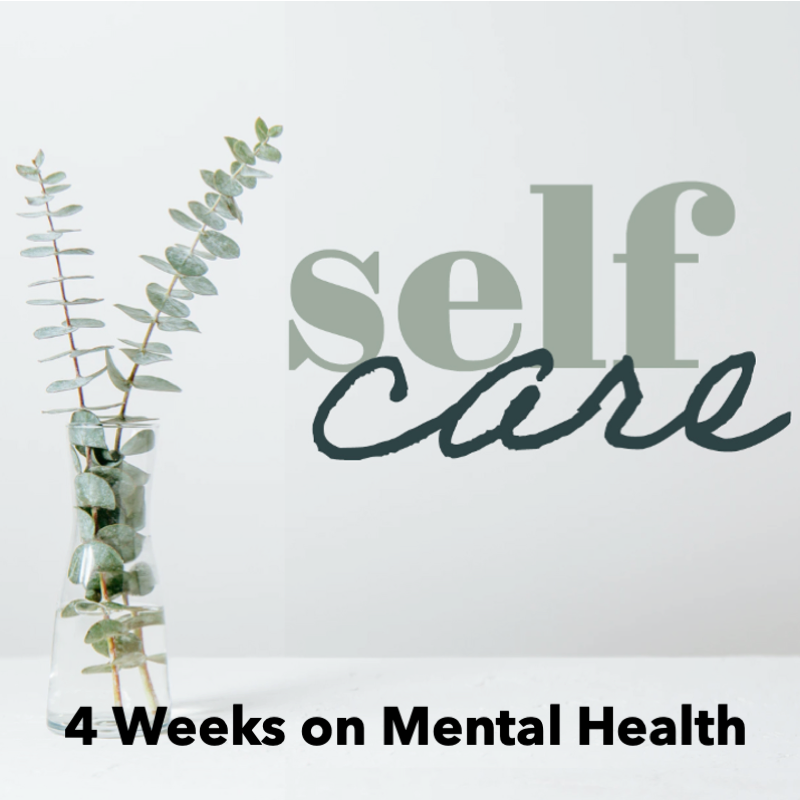
4 weeks helping students discover a healthy way to practice self care.
$60.00
“Self-care” is one of the most popular buzzwords in today’s culture. Teenagers hear it everywhere — in social media trends, from influencers, even in conversations at school. Usually it’s tied to hobbies, relaxation, or doing whatever “feels good.” But left on its own, that definition of self-care is shallow, fleeting, and even dangerous. Students end up bouncing between indulgence and guilt without ever finding real rest.
The gospel offers something better. Self Care is a 4-week youth group series that helps students discover what true self-care looks like when viewed through the lens of Scripture. Instead of chasing quick fixes or selfish escapes, teens will learn that real self-care is about honoring God with their bodies, caring for others, pursuing what lasts, and grounding their lives in the truth of Jesus Christ. This series gives them a foundation for healthy rhythms that will last long after the hype of cultural “self-care” fades.
This series goes beyond bubble baths and comfort food to reframe self-care as discipleship. In Week 1, students learn that caring for the body begins with feeding the soul on the Word of God. In Week 2, they see that self-care isn’t selfish when it includes the call to love and serve others. In Week 3, they explore how fleeting pleasures ultimately disappoint, while Christ provides joy that endures. And in Week 4, they confront the cultural mantra of “believe in yourself” and discover that lasting rest is found only in Christ, not in self-confidence.
By the end of this journey, students will know how to practice self care in a way that leads to flourishing and faithfulness.
Week 1 – Guided by the Gospel (Matthew 4:4)
Intro: We know how to care for ourselves physically, but we don’t always do it well.
Truth: Jesus shows that true care for the body starts with feeding the spirit through the Word of God.
Takeaway: Self-care is when your use of your body is guided by the gospel.
Week 2 – Caring for Others (Philippians 2:3)
Intro: Friendships can be draining, and students often wonder if pulling away is the right choice.
Truth: Paul calls believers to put others first, following Jesus’ example. That perspective clarifies the difference between toxic and inconvenient relationships.
Takeaway: Oftentimes, self-care means caring for others.
Week 3 – Pursuing What Lasts (Hebrews 11:24-26)
Intro: “If it feels good, do it” may sound like self-care, but pleasure without purpose is short-lived.
Truth: Moses reminds us that sin is fleeting, but Christ is forever. True joy comes from choosing what lasts.
Takeaway: Self-care means pursuing what feels the best for the longest.
Week 4 – The Truth Over “Your Truth” (Romans 7:18)
Intro: “Just believe in yourself” is the cultural anthem of self-care, but it crumbles under real life.
Truth: Paul admitted his weakness and found hope not in himself but in God’s grace and the Spirit’s power.
Takeaway: Self-care is finding your truth in The Truth.
Rest & Renewal Night – Create a space where students slow down, reflect, and engage in practices like journaling, prayer stations, and guided worship. This event helps teens experience gospel-centered rhythms of rest instead of chasing cultural quick fixes.
Reframes a cultural buzzword in light of Scripture
Equips students with healthy rhythms that honor God and bless others
Speaks directly to pressures teens feel from social media and peers
Provides ready-to-use resources including teaching notes, small group questions, graphics, and optional event plans